
Bachelor in Medical Radio Imaging Technology (BMRIT)
The Bachelor of Medical Radiology and Imaging Technology (BMRIT) program is a four-year undergraduate program that might just be the perfect fit for anyone interested in healthcare without the demanding demands of becoming a doctor. This is the perfect middle ground: You get to work with cutting-edge medical technology, diagnose diseases, save lives, and enjoy a fulfilling career without spending 10 years in medical school.

What is BMRIT? Understanding the Program That Could Shape Your Future
Healthcare is exploding right now. Hospitals, clinics, diagnostic spots – they all need pros who can handle imaging gear. We’re talking about steady jobs, good pay starting out, and that feel-good vibe of making a difference without doctor-level stress. If job security is your thing, this is it.
BMRIT at Dolphin College in Dehradun
Ever wondered how you could dive into healthcare without the endless grind of medical school? Let me tell you about BMRIT – that’s the Bachelor of Medical Radiology and Imaging Technology. It’s this cool 4-year undergrad course that’s honestly perfect if you love tech and helping people, but don’t want to spend forever studying to be a doctor.
Picture this: you’re the person behind those high-tech machines – X-rays, CT scans, MRIs, ultrasounds. Not just pushing buttons either. You learn the real science: how radiation works, what makes bodies tick anatomically, and how to snap crystal-clear images that docs use to figure out what’s wrong and fix patients. It’s the hands-on stuff that actually matters.
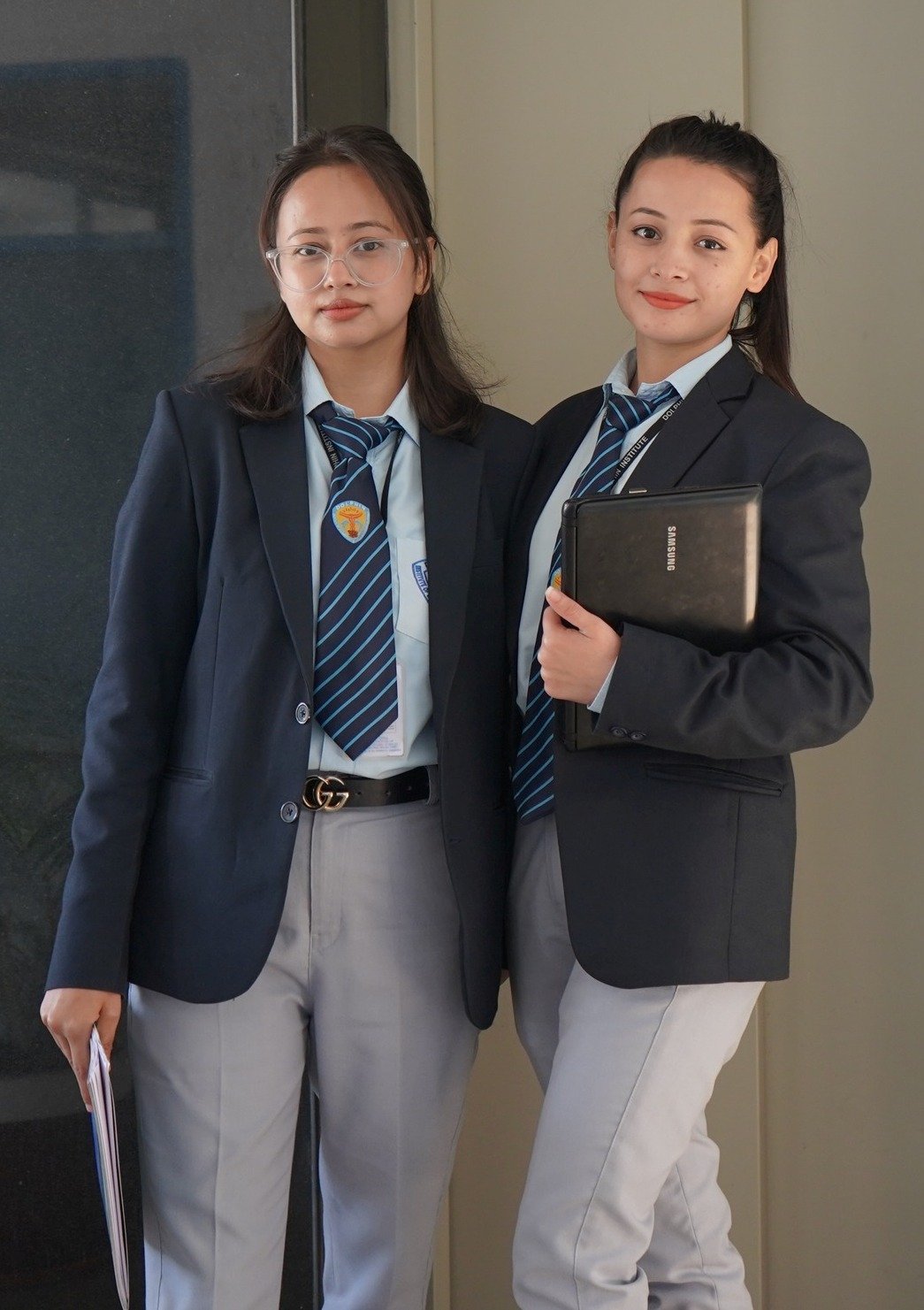
Teachers: Young, sharp, hired to guide you. Care about the results.
Dolphin makes BMRIT practical, job-focused, in a spot (Dehradun) that’s chill and growing. If healthcare tech calls, this path delivers without all the drama.
Campus vibes that actually work!
Step onto the grounds and you just know it’s different. Spotless, laid out smartly, surrounded by greenery. It’s built for you to learn, not just show off. Feels motivating, like college might not suck after all.
Classrooms? Smart boards, fresh tech mixed with solid teaching. Profs engage you – no dusty slides. Plenty of natural light, good air flow, setup keeps you dialed in.
A Library Worth Hanging In
Huge space, comfy seats, books organized so you don’t have to hunt forever. Walls with quotes to keep you going. Dive into radiology tricks or new protocols – everything’s there, easy to grab.
Hostels Done Right
Out-of-towner? The girls’ hostel is safe, roomy, and thoughtful. Big rooms, your own bed/table/storage. Study without safety worries – they got it.
Gear for Real BMRIT Training
Theory is fine, but BMRIT means practice. ICT classrooms, clean blocks – all set for handling actual machines safely with the pros watching. No textbook fakes here.
Duration
- 4 Years (Semester System) with ME-ME
Eligibility
- 12th (PCB/PCM) with 45% marks. (* bridge course of biology is compulsory in first semester for non-biology students at 12th level)
Major Courses
- Fundamental of Medical Imaging & Radiotherapy -I
- Basic Radiation Physics -I
- Fundamental of Medical Imaging & Radiotherapy- and Basic Radiation Physics
- Equipment’s of Radio Diagnosis
- Biological effect of radiation
- equipment of Radio Diagnosis Radiographic Techniques Procedures
- Radiation Detection Protection
- Special radiographic Techniques
- Radiation Detection Protection Special radiographic Techniques
- Advanced Radiographic Techniques Procedures
- Computed Tomography
- Advanced Radiographic Techniques
- Computed Tomograph
- Equipment’s of Radiotherapy
- Interventional Radiology drugs used in diagnostic Radiology
- Equipment of Radiotherapy and Interventional Radiology drugs used in diagnostic Radiology
- Equipment of Radiotherapy and Interventional Radiology drugs used in diagnostic Radiology
- Radiotherapy Brachytherapy techniques in Malignant and Non-Malignant diseases
- Orientation in Clinical Sciences
- Radiotherapy Planning and Quality Control
- Radiotherapy Brachytherapy techniques in Malignant and Non- Malignant diseases
- Orientation in Clinical Sciences Radiotherapy Planning and Quality Control
Minors Courses
- Human Anatomy I
- Human Physiology-I
- Human Anatomy-I
- Human Physiology-I
- Clinical Biochemistry II
- Clinical Microbiology
- Human Anatomy-I
- Human Physiology-I
- Human Anatomy II
- General Pathology
- Human Anatomy- General Pathology
- Human Anatomy- General Pathology
- Biostatistics
- Record Keeping and Quality Patient Care
- PSM
- Research Methodology
- Hospital Management
- Medical Terminology and law Ethics
- Research Methodology, Record Keeping and Quality Patient Care
- Bio Medical Waste Management
- Pharmacology
- Environmental Radiation and Protection
Future Prospects
Diagnostic radiographers employ a range of different imaging techniques and sophisticated equipment to produce high quality images of an injury or disease. They take the images using range of techniques including: X-rays, Mammography, Fluoroscopy, CT (computed tomography), MRI (Magnetic Resonance Imaging), Nuclear medicine, Angiography etc. Medical imaging studies have been a cornerstone in medical diagnosis for decades; however, technological advances and the addition of new imaging modalities now place medical imaging among the most dynamic, expanding and high demand fields in clinical medicine.
Completing a BMRIT course opens up a wide range of career prospects in various healthcare settings, including:
Hospitals and Diagnostic Centers: BMRIT professionals are in high demand in hospitals and diagnostic centres, where they work close association with radiologists to conduct imaging tests and interpret results.
Research Institutions: BMRIT graduates can contribute to research projects after completing M.Sc. Medical Imaging Technology focused on developing new imaging techniques, advancing medical imaging technology, and improving patient care.
Medical Equipment Companies: BMRIT professionals can work for medical equipment manufacturers, providing technical support, training, and ensuring the optimal performance of radiological equipment.
Teaching and Academia: BMRIT graduates can pursue teaching positions in educational institutions as a tutor or in private institutions sharing their knowledge and expertise with the next generation of healthcare professionals.
Further Information
An Autonomous College
frequently asked questions
Bachelor Degree in Medical Radio Imaging Technology is 4-year (3 years +1-year internship) programme.
12th (PCB/PCM) with 45% marks. (* bridge course of biology is compulsory in first semester for non-biology students at 12th level)
Bachelor of Medical Radio Imaging Technology program typically involve a combination of classroom lectures, hands-on laboratory work, and clinical practice. In the classroom, students will learn the theoretical aspects of medical imaging, such as anatomy, physics, and radiology principles. Laboratory work provides students with the opportunity to practice using medical imaging equipment and software
Yes, there are scholarship pattern for the meritorious students that functions according to the Institute’s norms.
DIBNS campus has adequate facilities for sports and cultural activities. The students regularly participate in Intra College and inter college sports & cultural activities and have won numerous prizes.
We organize Personality Development classes conducted by Corporate Trainers, helping students to develop Soft Skills, Career Exploration, Resume Writing, Interviewing Skills, Presentation Skills, and Team Building Skills etc.
“B.Sc in Medical Radiology & Imaging Technology is basically the art and science of 'seeing the invisible' inside our bodies to allow doctors to unlock medical mysteries." In this course of study, you are not only learning to operate high-priced equipment by pressing buttons – you are learning to become an expert who is proficient in operating high-tech equipment including MRI, CT scans, X-rays, and Ultrasound machines to produce life-saving images of what is going on inside the patient's body because you, yourself, are literally the 'bridge' between curing and diagnosing because you are ensuring safety from radiation to position your patient to take that perfect 'picture' for a medical 'diagnosis.'
If you want to get into a B.Sc. Medical Radiology & Imaging Technology (MRIT) course, you have to prepare for a period of 3 to 4 years, which includes your mandatory internship in the final year to acclimate you to dealing with advanced equipment. Regarding eligibility criteria, you have to be a 10+2 (Higher Secondary) qualified individual in the Science stream, with PCB (Physics, Chemistry, and Biology) subjects only, though Mathematics is an acceptable criteria for some universities. You should have at least 50%-60% in aggregate in your above-mentioned subjects and be above 17 years of age by the end of the year in which you apply. Although most private institutions allow entry to MRIT on 12th grade merit, leading universities in India ask you to appear for entrance exams like CUET or university-level entrance tests to grant you a place in their institution.
"The visual architects of medical progress, the radiologic technologists are essentially the picture takers whose images make diagnostics, treatment of the patients, and medical care possible.” Every day, you find yourself being both a technical professional, working with high-tech equipment such as MRI, CT, or X-ray machines, as well as a patient advocate, where plenty of time is spent calming frightened patients, moving them into precisely positioned angles for obtaining the sharpest pictures. Beyond picture taking, however, you are a safety officer, where precise calculations have to be done regarding radiation levels, with the use of a shield of protection against the radiation effect. Whether dealing with diagnosing traumas in an emergency room setting or working from a special health unit monitoring a patient’s progress, your duty, my friend, is to convert complex physics into high-quality pictures, essentially guiding the physician’s hand.
 Apply Now
 Fee Payment
 Admission
 Enquiry
 Quick Links