

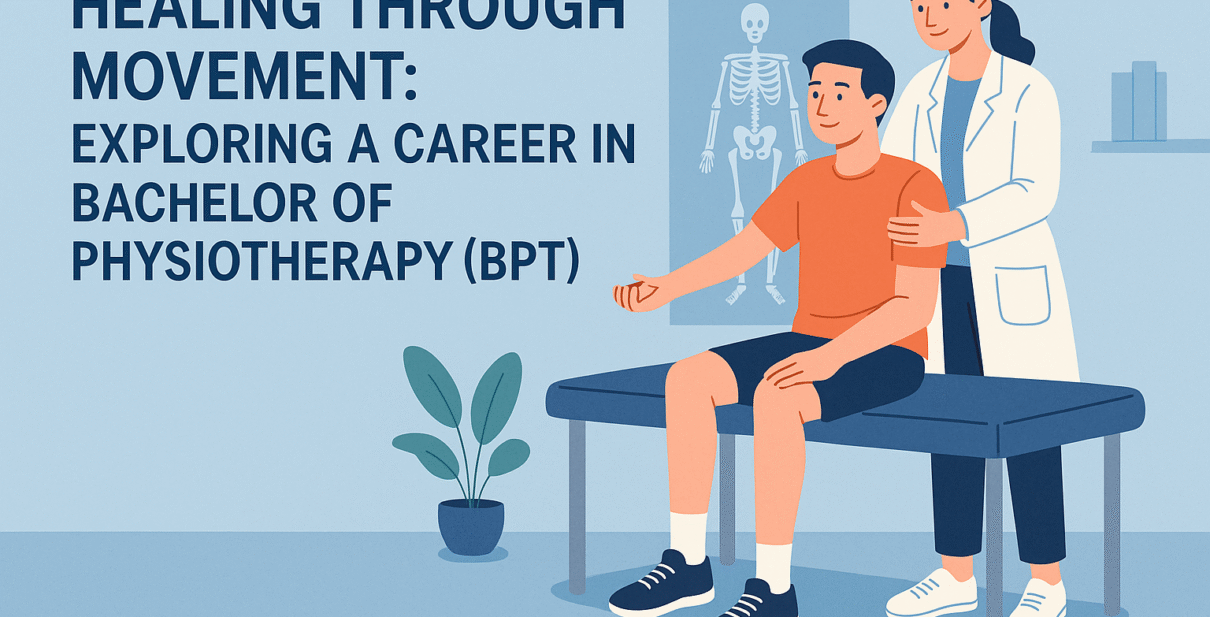
In today’s fast-paced world, where lifestyle diseases, stress, and physical ailments have become increasingly common, the importance of physical rehabilitation and movement therapy has never been greater. Best Physiotherapy College Dehradun, Physiotherapy, often described as “healing through movement,” plays a vital role in restoring health, mobility, and quality of life to individuals of all ages. The Bachelor of Physiotherapy (BPT) program is designed to train students in this noble profession—combining the science of anatomy, physiology, and movement with compassion and patient care.
This blog takes you on a detailed journey through the world of physiotherapy, exploring what the BPT course entails, its career prospects, skills required, and the immense impact physiotherapists make in healthcare and society.
Understanding Physiotherapy: The Art and Science of Movement
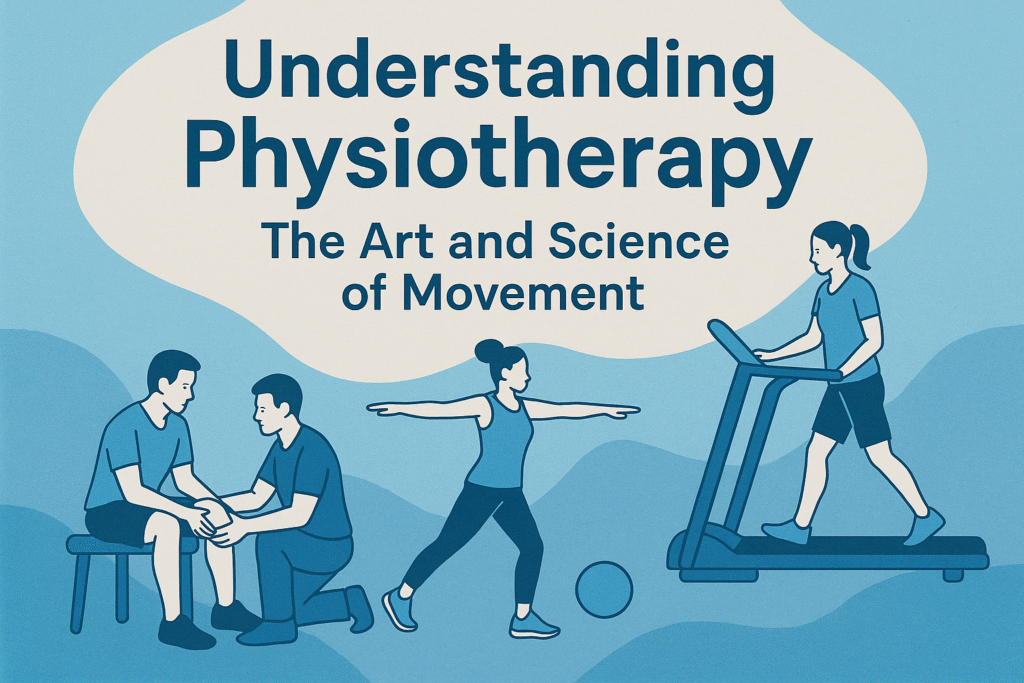
Physiotherapy, also known as physical therapy, is a branch of healthcare that focuses on restoring, maintaining, and maximizing physical strength, function, movement, and overall well-being. It’s not just about treating injuries—it’s about preventing them, enhancing performance, and helping individuals lead active, pain-free lives.
Physiotherapists use evidence-based techniques such as manual therapy, exercise prescription, electrotherapy, and rehabilitation programs to treat patients with musculoskeletal, neurological, cardiopulmonary, and other physical conditions. Whether it’s an athlete recovering from a sports injury, a stroke patient regaining mobility, or an elderly person managing arthritis—physiotherapists are at the center of functional recovery.
Bachelor of Physiotherapy (BPT): Course Overview
The Bachelor of Physiotherapy (BPT) is a four-and-a-half-year undergraduate degree program that equips students with the knowledge and practical skills needed to assess, diagnose, and treat movement-related disorders. Best Physiotherapy College Dehradun, The curriculum integrates classroom learning with extensive clinical exposure, ensuring that students become competent healthcare professionals ready for real-world practice.
Duration and Structure:
- Total Duration: 4 years of academic study + 6 months of compulsory internship
- Mode: Full-time program
- Eligibility:
- Candidates must have completed 10+2 with Physics, Chemistry, and Biology (PCB) as core subjects.
- A minimum aggregate score of 50% (varies by institution).
- Entrance exams such as NEET, CUET, or university-level tests may be required in some colleges.
BPT Course Curriculum: Subjects and Specializations
The BPT curriculum is designed to provide a strong foundation in both medical sciences and therapeutic techniques. It focuses on understanding the human body, biomechanics, and rehabilitation sciences.
Core Subjects:
- First Year: Anatomy, Physiology, Biochemistry, Psychology, Sociology
- Second Year: Pathology, Microbiology, Pharmacology, Exercise Therapy, Electrotherapy
- Third Year: Orthopedics, General Medicine, Neurology, Cardiorespiratory Physiotherapy
- Fourth Year: Rehabilitation, Community-Based Physiotherapy, Research Methodology, Ethics, and Management
- Internship: Six months of hands-on clinical training in hospitals, rehabilitation centers, or private clinics.
Students also get the opportunity to specialize in areas such as:
- Neurological Physiotherapy (stroke, Parkinson’s, spinal injuries)
- Orthopedic Physiotherapy (fractures, sports injuries, post-surgical rehab)
- Cardiorespiratory Physiotherapy (heart and lung rehabilitation)
- Pediatric and Geriatric Physiotherapy
- Sports Physiotherapy
- Community Rehabilitation
Skills Required to Excel in Physiotherapy
A career in physiotherapy demands not only technical knowledge but also a combination of physical, emotional, and interpersonal skills. Successful physiotherapists are those who blend scientific understanding with empathy and patience, Best Physiotherapy College Dehradun.
Key Skills Include:
- Strong Communication Skills: To interact effectively with patients, families, and healthcare teams.
- Analytical Thinking: To assess patient conditions and design customized rehabilitation programs.
- Manual Dexterity and Physical Stamina: Physiotherapists often demonstrate exercises and assist patients physically.
- Empathy and Patience: Healing takes time; understanding a patient’s journey is crucial.
- Problem-Solving and Decision-Making: Quick and effective intervention can make all the difference.
Read Also: The Science of Plant Life: Career Prospects After B.Sc. (Hons.) Botany
Why Choose a Career in Physiotherapy?
Physiotherapy offers a unique blend of science, healthcare, and human connection. Here are several reasons why pursuing a BPT degree can lead to a fulfilling career:
- High Demand and Job Security
With increasing awareness of physical fitness, aging populations, and rising cases of chronic diseases, the demand for physiotherapists is growing rapidly worldwide. From hospitals to fitness centers, there is a constant need for skilled professionals.
- Diverse Career Opportunities
Physiotherapists can work in multiple settings such as hospitals, rehabilitation centers, sports teams, fitness clubs, schools, and even home healthcare. Many also choose to open their own private practice.
- Holistic Impact on People’s Lives
Few careers offer the chance to witness visible improvement in someone’s health and happiness. Physiotherapists play a crucial role in restoring independence and improving quality of life.
- Opportunities for Global Careers
Physiotherapists are in high demand in countries such as Canada, Australia, the UK, the USA, and the Gulf nations. With the right certifications, BPT graduates can easily find opportunities abroad.
- Continuous Learning and Growth
The field of physiotherapy evolves constantly with new technologies, research, and treatment methods. Professionals can pursue higher studies like Master of Physiotherapy (MPT), Doctor of Physical Therapy (DPT), or research programs.
Career Opportunities After BPT
Upon completing the BPT program, graduates can pursue a variety of rewarding career paths. Below are some prominent roles available:
- Clinical Physiotherapist
Work in hospitals, clinics, or nursing homes to diagnose and treat patients with physical ailments.
- Sports Physiotherapist
Collaborate with athletes and sports teams to prevent and treat sports-related injuries and enhance performance.
- Rehabilitation Specialist
Focus on helping patients recover from surgery, stroke, or accidents through targeted rehabilitation programs.
- Pediatric Physiotherapist
Work with children suffering from congenital or developmental disorders to improve movement and posture.
- Geriatric Physiotherapist
Assist elderly patients in maintaining mobility, strength, and balance to lead independent lives.
- Academic and Research Roles
Graduates can enter academia as lecturers or engage in research to contribute to advancements in physical therapy.
- Corporate and Occupational Health Expert
Many organizations hire physiotherapists to manage workplace ergonomics and employee wellness programs.
- Entrepreneur / Private Practitioner
Experienced physiotherapists often open private clinics or rehabilitation centers, offering personalized care to patients.
Higher Studies After BPT
Many students choose to pursue postgraduate education to specialize further. Some options include:
- Master of Physiotherapy (MPT) – Specializations in Orthopaedics, Neurology, Sports, or Cardiorespiratory Physiotherapy.
- MBA in Healthcare Management – For those interested in administrative or managerial roles.
- Doctor of Physical Therapy (DPT) – For international recognition and advanced practice opportunities.
Top Recruiters and Workplaces
Physiotherapists are employed across a broad spectrum of industries, including:
- Government and Private Hospitals
- Rehabilitation Centers and NGOs
- Sports and Fitness Centers
- Nursing Homes and Old-Age Homes
- Armed Forces and Defense Services
- Schools and Universities
- Corporate Wellness Programs
Leading hospitals like AIIMS, Fortis, Apollo, Max Healthcare, and Medanta regularly hire qualified physiotherapists for various departments.
Salary and Growth Prospects
The earning potential for physiotherapists depends on factors like experience, specialization, and work setting.
- Entry-Level Physiotherapist: ₹3–5 LPA
- Mid-Level / Specialist Physiotherapist: ₹6–10 LPA
- Senior Consultant / Private Practitioner: ₹10–20 LPA or more
With experience and expertise, physiotherapists can build successful private practices and even become consultants for sports organizations or rehabilitation centers.
The Future of Physiotherapy: A Growing Field
The future of Best Physiotherapy College Dehradun, physiotherapy looks incredibly promising. As healthcare shifts towards preventive care and wellness, physiotherapists are playing a more prominent role than ever before. Emerging areas such as tele-physiotherapy, robotic rehabilitation, virtual reality therapy, and ergonomic consulting are opening up exciting opportunities for innovation and research.
Moreover, in the wake of global health challenges such as COVID-19, the significance of respiratory and post-illness rehabilitation has further highlighted the essential role of physiotherapists in recovery and long-term care.
Conclusion
A Bachelor of Physiotherapy (BPT) is more than just a degree—it’s a pathway to transforming lives through the power of movement and compassion. Physiotherapists stand at the intersection of science and empathy, helping individuals regain not only physical strength but also confidence and independence.
If you’re passionate about health, wellness, and making a tangible difference in people’s lives, a career in Best Physiotherapy College Dehradun, physiotherapy offers you a fulfilling and respected profession. As the saying goes, “Movement is medicine,” and physiotherapists are the healers who bring that medicine to life.
 Apply Now
 Fee Payment
 Admission
 Enquiry
 Quick Links