
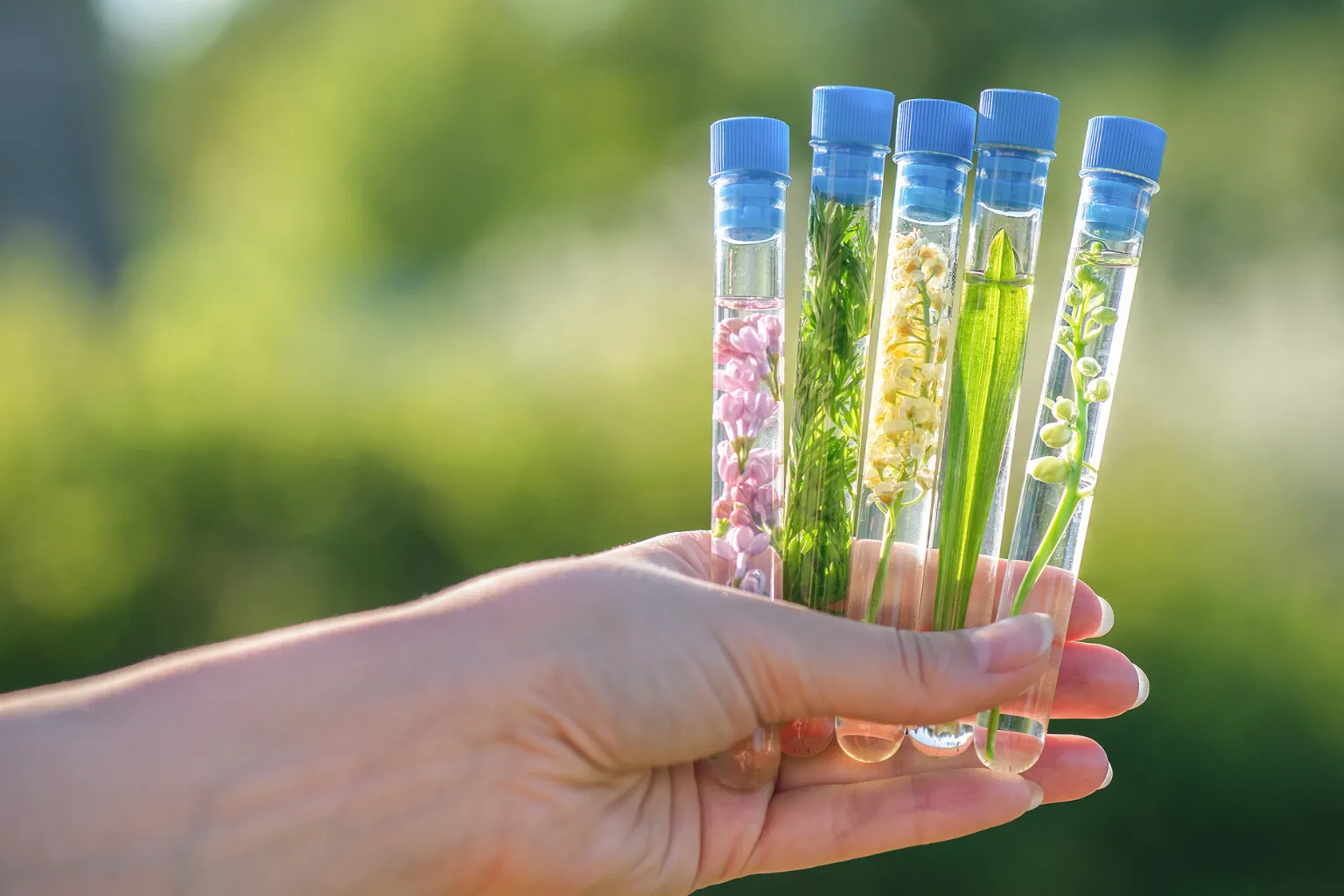
M.Sc. Botany
M.Sc. Botany is a two-year postgraduate programme designed to develop advanced research capabilities and specialized expertise in plant sciences. The curriculum integrates plant physiology, molecular biology, plant biotechnology, taxonomy, ecology, and economic botany, building research proficiency in plant stress responses, genetic diversity conservation, phytochemistry, and sustainable plant resource management. Graduates achieve mastery of sophisticated laboratory techniques, molecular characterization, field research methodologies, and independent research design, preparing them for leadership roles in botanical research, agricultural biotechnology, pharmaceutical R&D, environmental conservation, academic research, and biodiversity policy.
Core areas you’ll study
- Advanced Plant Physiology: Photosynthesis mechanisms, plant hormone signaling, stress physiology (drought, salinity, temperature), photomorphogenesis, mineral nutrition, and secondary metabolism regulation.
- Plant Molecular Biology & Biotechnology: Plant genomics, transgenics, CRISPR-Cas9 applications, gene silencing, promoter analysis, tissue culture techniques, and genetic transformation protocols.
- Plant Taxonomy & Systematics: Angiosperm phylogeny, molecular taxonomy, herbarium techniques, plant identification keys, biodiversity documentation, and conservation genetics.
- Plant Ecology & Environmental Botany: Plant succession, community dynamics, ecosystem services, climate change impacts, phytoremediation, invasive species management, and restoration ecology.
- Economic Botany & Ethnobotany: Medicinal plants, spices, beverages, timber species, ethnobotanical surveys, plant-based industries, and sustainable harvesting practices.
- Mycology & Plant Pathology: Fungal diversity, plant-pathogen interactions, disease diagnosis, biological control agents, fungicide resistance, and integrated disease management.
- Phycology & Bryology: Algal biotechnology, seaweed cultivation, liverwort/moss biology, cryptogamic ecology, and applications in biofuel production and wastewater treatment.
- Plant Anatomy & Developmental Biology: Wood anatomy, tissue differentiation, floral development, embryology, meristem function, and anatomical adaptations to environmental stress.
- Bioinformatics & Biostatistics: Plant genome databases, phylogenetic analysis, metabolomics, multivariate statistics, ecological modeling, and NGS data analysis in the plant sciences.
- Research Methodology & IPR: Experimental design, field sampling techniques, scientific writing, grant writing, intellectual property in plant biotechnology, and phytochemical standardization.
Teaching, practical work & assessment
Teaching combines advanced lectures, research seminars, journal clubs, and intensive laboratory/field training with botanical expeditions. First year focuses on advanced core subjects and sophisticated techniques (microscopy, chromatography, PCR, tissue culture); second year emphasizes research dissertations (6-12 months), elective specializations, botanical surveys, and publication preparation. Students conduct independent research projects using advanced instrumentation like fluorescence microscopy, HPLC, GC-MS, growth chambers, and molecular biology workstations. Assessment includes comprehensive exams, research seminars, dissertation evaluations by external experts, viva voce, lab/field proficiency tests, research publications, and conference presentations emphasizing original research contributions and scientific communication.
M.Sc. Botany at Dolphin (PG) Institute, Dehradun
Dolphin (PG) Institute of Biomedical & Natural Sciences (affiliated to HNB Garhwal Central University) delivers an M.Sc. Botany programme with cutting-edge research facilities featuring plant tissue culture labs, phytochemistry research stations, herbarium collections, growth chambers, and molecular biology equipment. The curriculum incorporates Uttarakhand’s rich Himalayan biodiversity, including rare medicinal plants, high-altitude flora, and endemic species. Experienced faculty mentor students in publishing research on Himalayan ethnobotany, stress-tolerant plant varieties, phytopharmaceutical development, and biodiversity conservation. The programme emphasizes original research contributions documenting regional flora, industry collaborations for herbal product development, and conservation initiatives preparing graduates for PhD programs, botanical research leadership, and sustainable plant resource entrepreneurship.
Career path & typical entry salaries
- Plant Biotechnologist (R&D) — Agricultural biotech companies, tissue culture production, transgenic crop development.
- Phytochemist / Herbal Research Scientist — Ayurvedic/pharma companies, medicinal plant standardization, bioactive compound isolation.
- Botanical Survey Researchers — Botanical Survey of India, forest department, biodiversity documentation.
- Academic Researcher/Lecturer — Universities, research institutes, botany subject matter experts.
- Environmental Consultant — Conservation NGOs, environmental impact assessments, restoration, and ecology projects.
- Quality Control Manager (Herbal) — Herbal product manufacturing, standardization, GMP compliance.
- Agricultural Research Officer — ICAR institutes, seed companies, horticulture departments.
- Ethnobotanist / Conservation Specialist — Wildlife institutes, medicinal plant boards, forest research.
- Estimated entry-level salaries (India): ₹4–6.5 lakh per annum for research/QC roles; ₹5.5–9 lakh for R&D and academic positions. With 2–5 years of experience, salaries reach ₹7–14 lakh; senior roles in biotech/pharma leadership exceed ₹14–22 lakh per annum, particularly with a PhD, international publications, or patenting plant varieties.
Placements & industry connections
The placement cell facilitates botanical research internships, industry projects with herbal/Ayurvedic R&D centers, and recruitment by leading biotech firms, research organizations, and conservation agencies. Students undertake 6-month research dissertations, often resulting in co-authored publications in journals like Phytochemistry, Journal of Ethnopharmacology, and Plant Ecology. Faculty collaborations with the Botanical Survey of India, CSIR-NBRI Lucknow, ICFRE Dehradun, and herbal pharma companies provide research supervision, project funding, and taxonomic expertise. Industry-sponsored projects in medicinal plant conservation, herbal standardization, and climate-resilient cultivars bridge academia and industry, and facilitate direct recruitment into research and leadership positions.
Top recruiters for M.Sc. Botany at Dolphin PG Institute
Dolphin PG Institute attracts 350+ companies annually through specialized R&D recruitment for postgraduate programs.
Primary Recruiters (Botany/Biotech/Herbal Focus)
- Herbal/Ayurvedic R&D: Himalaya Drug Company, Dabur Research, Patanjali R&D, Hamdard, Baidyanath Research
- Biotechnology: Biocon, Bharat Biotech, Panacea Biotec, Viridis Bio, Mapra Laboratories
- Research Institutes: Botanical Survey of India, CSIR-NBRI Lucknow, ICFRE Dehradun, Forest Research Institute
- Pharmaceutical R&D: Sun Pharma (Botanicals), Dr. Reddy’s Herbal, Cipla Herbal Division
- Agriculture/Horticulture: National Seeds Corporation, Indian Institute of Horticultural Research, Spices Board
- Conservation/NGOs: WWF-India, Wildlife Institute of India, ATREE, Foundation for Ecological Security
Duration
- 2 years
Eligibility
- B Sc with CBZ with minimum 45% marks in aggregate.
Future Prospects
Research Scientist
• Research Associate
• Teacher
• Horti and floriculture
• Remote Sensing and GIS
• Ecologist
• Science Writer
Botany, plant science(s), or plant biology is a branch of biology that involves the scientific study of plant life. Botany covers a wide range of scientific disciplines including structure, growth, reproduction, metabolism, development, diseases, chemical properties, and evolutionary relationships among taxonomic groups. Botany began with early human efforts to identify edible, medicinal and poisonous plants, making it one of the oldest sciences. Today botanists study over 550,000 species of living organisms.
As with other life forms in biology, plant life can be studied from different perspectives, from the molecular, genetic and biochemical level through organelles, cells, tissues, organs, individuals, plant populations, and communities of plants. At each of these levels a botanist might be concerned with the classification (taxonomy), structure (anatomy and morphology), or function (physiology) of plant life.
The study of plants is vital because they are a fundamental part of life on Earth, which generates the oxygen, food, fibres, fuel and medicine that allow humans and other life forms to exist. Through photosynthesis, plants absorb carbon dioxide, a greenhouse gas that in large amounts can affect global climate. Additionally, they prevent soil erosion and are influential in the water cycle. A good understanding of plants is crucial to the future of human societies as it allows us to:
• Produce food to feed an expanding population
• Understand fundamental life processes
• Produce medicine and materials to treat diseases and other ailments
• Understand environmental changes more clearly
Further Information
An Autonomous College
frequently asked questions
Essentially, an M.Sc. in Botany is a two-year postgraduate journey into the inner workings of plant life. It’s not just about identifying flowers; it’s a deep dive into how plants breathe, grow, and adapt at a molecular and ecological level. You’ll explore everything from plant genetics and biotechnology to environmental conservation, learning how these organisms provide the oxygen, food, and medicine our world depends on. It’s the perfect path if you’re curious about how we can use plant science to tackle massive global challenges like climate change and food security.List Content
Core Areas of Study
Plant Physiology: How plants function internally.
Taxonomy: The science of naming and classifying species.
Mycology: The study of fungi and their roles in ecosystems.
Phytochemistry: Exploring the chemical compounds plants produce for medicine.
After completing your M.Sc. in Botany, you aren't just limited to the classroom; a world of "green" careers opens up across both the public and private sectors. You could find yourself working as a Plant Biotechnologist developing climate-resilient crops, an Environmental Consultant protecting local ecosystems, or a Taxonomist identifying new species in the wild. If you enjoy the analytical side, roles in Pharmacognosy (studying medicinal plants) for pharmaceutical giants or Molecular Biology research are excellent paths. For those who prefer the outdoors, the Forest Service, National Parks, and high-end Horticulture offer hands-on roles that truly make a difference in conservation and sustainability.
Popular Job Roles & Sectors
| Job Title | Primary Workplace | Key Focus |
| Research Scientist | R&D Labs / Universities | Plant genetics and crop improvement |
| Ecologist | NGOs / Government Agencies | Wildlife and habitat conservation |
| Plant Pathologist | Agribusiness / Farms | Diagnosing and treating plant diseases |
| Phytochemist | Pharmaceutical Firms | Extracting medicines from plants |
| Forest Officer | Government Forest Dept. | Managing timber and forest health |
Typical Salary Range (Entry to Mid-Level)
Junior Roles: ₹3–5 LPA (Research Assistant, Lab Technician)
Specialized Roles: ₹6–10 LPA (Plant Breeder, Environmental Consultant)
Senior/Academic: ₹12+ LPA (Principal Scientist, Professor)
If you’re looking to level up after your M.Sc., the most traditional and rewarding path is a Ph.D., which allows you to specialize in cutting-edge niches like Plant Genomics, Paleobotany, or Conservation Biology—and it's often the "golden ticket" for high-level research and professor roles. However, if you're not ready for a long-term doctorate, many graduates pivot into specialized Post-Graduate Diplomas or certifications in high-demand fields like Bioinformatics, Horticulture, Environmental Law, or even Forest Management. For those interested in the corporate side, an MBA in Agribusiness or a certification in Clinical Data Management can bridge the gap between plant science and the booming global biotech market.
Higher Education Pathways
| Qualification | Popular Specializations | Best For... |
| Ph.D. (Doctorate) | Plant Pathology, Molecular Biology, Mycology | Research, Academia, Principal Scientist roles |
| M.Phil / Advanced PG Diploma | Tissue Culture, Floriculture, Seed Technology | Technical lab roles and specialized farming |
| Professional Certifications | GIS (Mapping), CRISPR, Environmental Impact Assessment | Consultancy, Forestry, and Biotech industries |
| Management (MBA/PGDM) | Agribusiness, Supply Chain, Sustainability | Managerial roles in seed and fertilizer MNCs |
Graduates with an M.Sc. in Botany are highly sought after in sectors that balance scientific innovation with environmental stewardship. You’ll find the most opportunities in Agribusiness and Seed Technology, where companies like Syngenta or Bayer hire experts to improve crop yields and disease resistance. The Pharmaceutical and Herbal industries (think Himalaya or Dabur) also rely heavily on botanists to source and test medicinal plant extracts. If you're drawn to public service, the Forestry and Wildlife departments, along with government bodies like the Botanical Survey of India (BSI) and ICAR, offer stable roles in conservation and research. Additionally, the booming Biotechnology and Environmental Consultancy sectors need postgraduates to conduct impact assessments and manage tissue culture labs, ensuring that industrial growth doesn't come at the cost of our natural world.
Key Hiring Sectors
Agriculture & Horticulture: Seed production, plant breeding, and nursery management.
Biotechnology & Research: Tissue culture, genetic engineering, and molecular biology labs.
Pharmaceuticals: Drug discovery from plant sources and quality control of herbal products.
Environmental Agencies: NGOs and government bodies focused on climate change and conservation.
Education: Higher secondary schools, coaching institutes (NEET), and universities.
Absolutely! Botany is actually the backbone of environmental science because you can't truly understand an ecosystem without understanding the plants that power it. Botanists act like "environmental detectives"—they study how vegetation absorbs carbon to fight climate change, how specific plants can clean up polluted soil (a process called phytoremediation), and how the loss of a single wildflower can trigger a collapse in local bee and bird populations. Whether it's restoring a degraded forest or predicting how global warming will shift our food zones, plant science provides the essential data needed to protect the planet. Essentially, if environmental science is the house, botany is the foundation it’s built on.
Why Botany is Crucial for the Planet
Carbon Sequestration: Understanding which plant species are most effective at trapping $CO_2$.
Bio-indicators: Using mosses and lichens to monitor air quality and pollution levels.
Phytoremediation: Utilizing specialized plants to "suck up" heavy metals and toxins from contaminated land.
Biodiversity Conservation: Preventing "plant blindness" by protecting endangered flora that supports entire food chains.

Apply Now
Fee Payment
Admission
Enquiry
Quick Links