
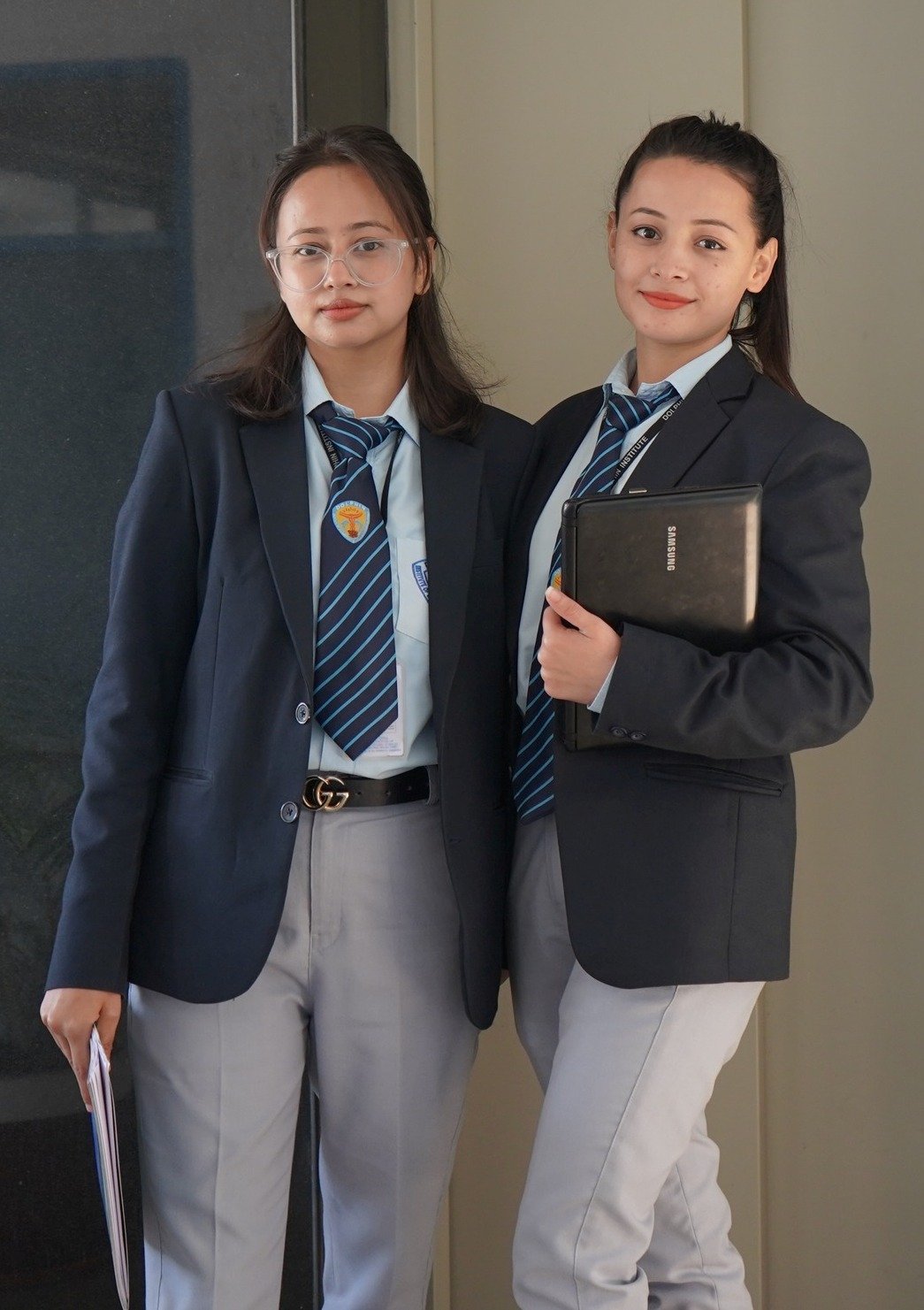
Bachelor in Medical Radio Imaging Technology (BMRIT)
BMRIT is a four-year undergraduate professional programme designed to produce imaging experts with advanced proficiency in diagnostic radiology and interventional procedures. The curriculum integrates X-ray physics, CT/MRI optimization, ultrasound techniques, nuclear medicine, radiation safety, AI image analysis, and interventional radiology, cultivating mastery in protocol optimization, artifact reduction, 3D reconstruction, PACS management, and patient-centric imaging. Graduates command multimodality scanners, dose optimization algorithms, teleradiology workflows, and research validation, equipping them for essential roles in hospitals, diagnostic centers, teleradiology firms, research imaging, and medical device innovation.

Core areas you’ll study
- Radiographic Physics & Techniques: X-ray production physics, image formation, digital radiography, fluoroscopy systems, and contrast media dynamics.
- Computed Tomography (CT): Multi-slice CT protocols, cardiac gating, perfusion imaging, dose reduction ALARA, virtual colonoscopy, and CT angiography.
- Magnetic Resonance Imaging (MRI): MRI physics (T1/T2 sequences), functional MRI, diffusion/perfusion tensor imaging, interventional MRI, and metal artifact reduction.
- Ultrasonography & Doppler: Abdominal/pelvic protocols, vascular Doppler, echo-cardiography, musculoskeletal USG, elastography, and 3D/4D obstetric imaging.
- Nuclear Medicine & PET-CT: Gamma camera SPECT, PET tracers (FDG, PSMA), dosimetry calculations, hybrid imaging fusion, and theranostics.
- Radiation Safety & Protection: AERB regulations, dosimetry badges, shielding design, pregnancy safety protocols, and emergency radiation response.
- Image Processing & AI: PACS/RIS systems, AI lesion detection, 3D reconstruction workstations, CAD software validation, and deep learning segmentation.
- Interventional Radiology: Angiography suites, vascular embolization, biopsy guidance, pain management procedures, and sterile technique mastery.
Elective Specializations: Cardiac imaging, neuroimaging, musculoskeletal radiology, fetal medicine ultrasound, or molecular imaging, based on career aspirations.
Teaching, practical work & assessment
Teaching fuses physics lectures, scanner simulations, clinical rotations, protocol workshops, and research imaging projects with hospital collaborations. Years 1-2 master foundational imaging and physics; Years 3-4 deliver 12-month clinical internship, electives, research thesis, and certification prep. Students perform 5000+ scans, optimize protocols on GE/Siemens/Philips systems, and manage PACS archives. Assessment covers image critiques, protocol exams, thesis defense by radiologists, viva voce, competency checklists, radiation safety audits, and case portfolio presentations prioritizing diagnostic accuracy and patient safety.
BMRIT at Dolphin (PG) Institute, Dehradun
Dolphin (PG) Institute of Biomedical & Natural Sciences (affiliated to HNB Garhwal Central University & AERB-approved) offers BMRIT with 1.5T MRI, 128-slice CT, digital X-ray suites, USG labs, and direct hospital rotations. The curriculum addresses Dehradun’s trauma/neuro/tourism medicine needs—high-altitude hypoxia imaging, spine trauma protocols, and teleradiology for remote Uttarakhand. Faculty mentor theses on AI stroke detection, low-dose CT lung screening, and Himalayan altitude MRI artifacts, achieving 98% AERB certification. The programme emphasizes hands-on rotations, protocol innovation, and teleradiology mastery.
Career path & typical entry salaries
Graduates secure high-demand imaging technologist roles:
- Radiology Technologist/Supervisor — Hospitals, diagnostic centers.
- CT/MRI Specialist — Multimodality imaging departments.
- Ultrasound Technician — Fetal medicine, vascular labs.
- Teleradiology Technologist — Night shift international reporting.
- Radiation Safety Officer — AERB compliance, hospital physics.
- Application Specialist — GE/Siemens/Philips service engineers.
- Research Imaging Coordinator — Clinical trials, ICMR projects.
- Interventional Radiology Tech — Cath labs, pain clinics.
Estimated entry-level salaries (India): ₹4–7 lakh per annum for technologist roles; ₹5.5–8.5 lakh for specialized CT/MRI. With 2–5 years experience, salaries range ₹8–15 lakh; supervisors in chains like Metropolis exceed ₹16–25 lakh, with shift allowances.
Placements & industry connections
The placement cell guarantees hospital internships, AERB certification drives, and 100% placements with 150+ imaging centers. Students complete thesis imaging studies published in IJRI. Faculty MoUs with Max Dehradun, AIIMS Rishikesh, GE Healthcare provide scanner training. Sponsored workshops on PET-CT and AI radiology prepare for global opportunities.
Top recruiters for BMRIT at Dolphin PG Institute
Dolphin PG Institute attracts 350+ healthcare providers annually, imaging-focused.
Primary Recruiters (Hospitals/Diagnostic Centers Focus)
- Hospitals: Max Super Speciality Dehradun, AIIMS Rishikesh, Synergy Hospital
- Diagnostic Chains: Metropolis, Dr. Lal PathLabs, SRL Diagnostics, Safdarjung Imaging
- Teleradiology: Teleradiology Solutions, 24×7 Radiology
- Equipment Firms: GE Healthcare, Siemens Healthineers, Philips India
Placement Highlights: 90% placement; average package ₹5–7.5 LPA; top 10% secure ₹8.5–12 LPA in premium centers/teleradiology. Clinical hours and theses drive international placements and PG Diplomas.
Duration
-
4 Years
(Semester System)
Eligibility
- 12th (PCB/PCM) with 45% marks. (* bridge course of biology is compulsory in first semester for non-biology students at 12th level)
Major Courses
- Fundamental of Medical Imaging & Radiotherapy -I
- Basic Radiation Physics -I
- Fundamental of Medical Imaging & Radiotherapy- and Basic Radiation Physics
- Equipment’s of Radio Diagnosis
- Biological effect of radiation
- equipment of Radio Diagnosis Radiographic Techniques Procedures
- Radiation Detection Protection
- Special radiographic Techniques
- Radiation Detection Protection Special radiographic Techniques
- Advanced Radiographic Techniques Procedures
- Computed Tomography
- Advanced Radiographic Techniques
- Computed Tomograph
- Equipment’s of Radiotherapy
- Interventional Radiology drugs used in diagnostic Radiology
- Equipment of Radiotherapy and Interventional Radiology drugs used in diagnostic Radiology
- Equipment of Radiotherapy and Interventional Radiology drugs used in diagnostic Radiology
- Radiotherapy Brachytherapy techniques in Malignant and Non-Malignant diseases
- Orientation in Clinical Sciences
- Radiotherapy Planning and Quality Control
- Radiotherapy Brachytherapy techniques in Malignant and Non- Malignant diseases
- Orientation in Clinical Sciences Radiotherapy Planning and Quality Control
Minors Courses
- Human Anatomy I
- Human Physiology-I
- Human Anatomy-I
- Human Physiology-I
- Clinical Biochemistry II
- Clinical Microbiology
- Human Anatomy-I
- Human Physiology-I
- Human Anatomy II
- General Pathology
- Human Anatomy- General Pathology
- Human Anatomy- General Pathology
- Biostatistics
- Record Keeping and Quality Patient Care
- PSM
- Research Methodology
- Hospital Management
- Medical Terminology and law Ethics
- Research Methodology, Record Keeping and Quality Patient Care
- Bio Medical Waste Management
- Pharmacology
- Environmental Radiation and Protection
Future Prospects
Diagnostic radiographers employ a range of different imaging techniques and sophisticated equipment to produce high quality images of an injury or disease. They take the images using range of techniques including: X-rays, Mammography, Fluoroscopy, CT (computed tomography), MRI (Magnetic Resonance Imaging), Nuclear medicine, Angiography etc. Medical imaging studies have been a cornerstone in medical diagnosis for decades; however, technological advances and the addition of new imaging modalities now place medical imaging among the most dynamic, expanding and high demand fields in clinical medicine.
Completing a BMRIT course opens up a wide range of career prospects in various healthcare settings, including:
Hospitals and Diagnostic Centers: BMRIT professionals are in high demand in hospitals and diagnostic centres, where they work close association with radiologists to conduct imaging tests and interpret results.
Research Institutions: BMRIT graduates can contribute to research projects after completing M.Sc. Medical Imaging Technology focused on developing new imaging techniques, advancing medical imaging technology, and improving patient care.
Medical Equipment Companies: BMRIT professionals can work for medical equipment manufacturers, providing technical support, training, and ensuring the optimal performance of radiological equipment.
Teaching and Academia: BMRIT graduates can pursue teaching positions in educational institutions as a tutor or in private institutions sharing their knowledge and expertise with the next generation of healthcare professionals.
Further Information
An Autonomous College
frequently asked questions
Bachelor Degree in Medical Radio Imaging Technology is 4-year (3 years +1-year internship) programme.
12th (PCB/PCM) with 45% marks. (* bridge course of biology is compulsory in first semester for non-biology students at 12th level)
Bachelor of Medical Radio Imaging Technology program typically involve a combination of classroom lectures, hands-on laboratory work, and clinical practice. In the classroom, students will learn the theoretical aspects of medical imaging, such as anatomy, physics, and radiology principles. Laboratory work provides students with the opportunity to practice using medical imaging equipment and software
Yes, there are scholarship pattern for the meritorious students that functions according to the Institute’s norms.
DIBNS campus has adequate facilities for sports and cultural activities. The students regularly participate in Intra College and inter college sports & cultural activities and have won numerous prizes.
We organize Personality Development classes conducted by Corporate Trainers, helping students to develop Soft Skills, Career Exploration, Resume Writing, Interviewing Skills, Presentation Skills, and Team Building Skills etc.
“B.Sc in Medical Radiology & Imaging Technology is basically the art and science of 'seeing the invisible' inside our bodies to allow doctors to unlock medical mysteries." In this course of study, you are not only learning to operate high-priced equipment by pressing buttons – you are learning to become an expert who is proficient in operating high-tech equipment including MRI, CT scans, X-rays, and Ultrasound machines to produce life-saving images of what is going on inside the patient's body because you, yourself, are literally the 'bridge' between curing and diagnosing because you are ensuring safety from radiation to position your patient to take that perfect 'picture' for a medical 'diagnosis.'
If you want to get into a B.Sc. Medical Radiology & Imaging Technology (MRIT) course, you have to prepare for a period of 3 to 4 years, which includes your mandatory internship in the final year to acclimate you to dealing with advanced equipment. Regarding eligibility criteria, you have to be a 10+2 (Higher Secondary) qualified individual in the Science stream, with PCB (Physics, Chemistry, and Biology) subjects only, though Mathematics is an acceptable criteria for some universities. You should have at least 50%-60% in aggregate in your above-mentioned subjects and be above 17 years of age by the end of the year in which you apply. Although most private institutions allow entry to MRIT on 12th grade merit, leading universities in India ask you to appear for entrance exams like CUET or university-level entrance tests to grant you a place in their institution.
"The visual architects of medical progress, the radiologic technologists are essentially the picture takers whose images make diagnostics, treatment of the patients, and medical care possible.” Every day, you find yourself being both a technical professional, working with high-tech equipment such as MRI, CT, or X-ray machines, as well as a patient advocate, where plenty of time is spent calming frightened patients, moving them into precisely positioned angles for obtaining the sharpest pictures. Beyond picture taking, however, you are a safety officer, where precise calculations have to be done regarding radiation levels, with the use of a shield of protection against the radiation effect. Whether dealing with diagnosing traumas in an emergency room setting or working from a special health unit monitoring a patient’s progress, your duty, my friend, is to convert complex physics into high-quality pictures, essentially guiding the physician’s hand.
 Apply Now
 Fee Payment
 Admission
 Enquiry
 Quick Links