- September 21, 2026
- by dibns-admin
- News
- 46 Views
- 0 Comments
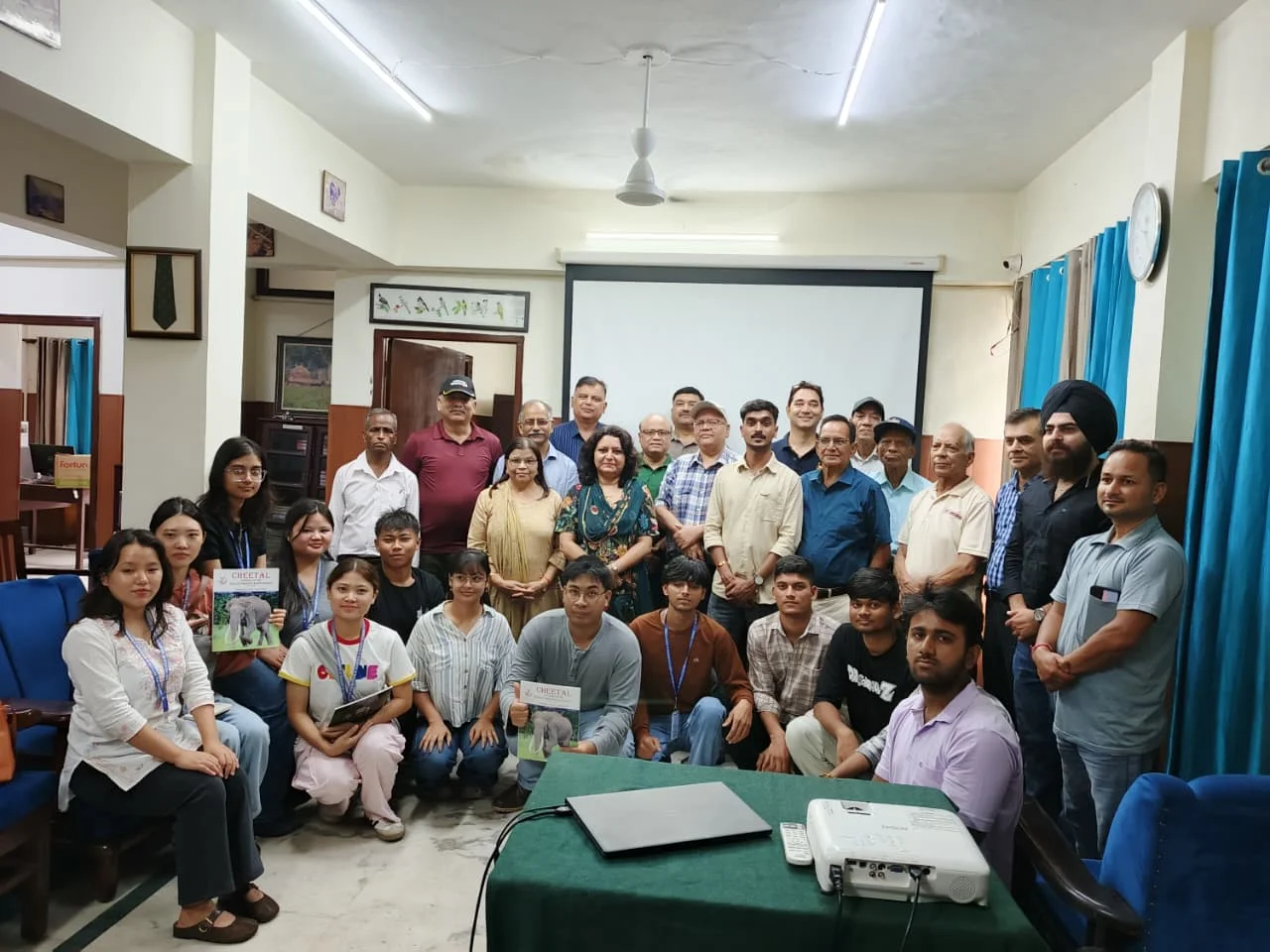
Attended by:B. Sc. Forestry 5th semester students with Dr Vikaspal Singh
Date of Activity: 6 September 2026
Venue:Wildlife Preservation Society (WPS), Dehradun
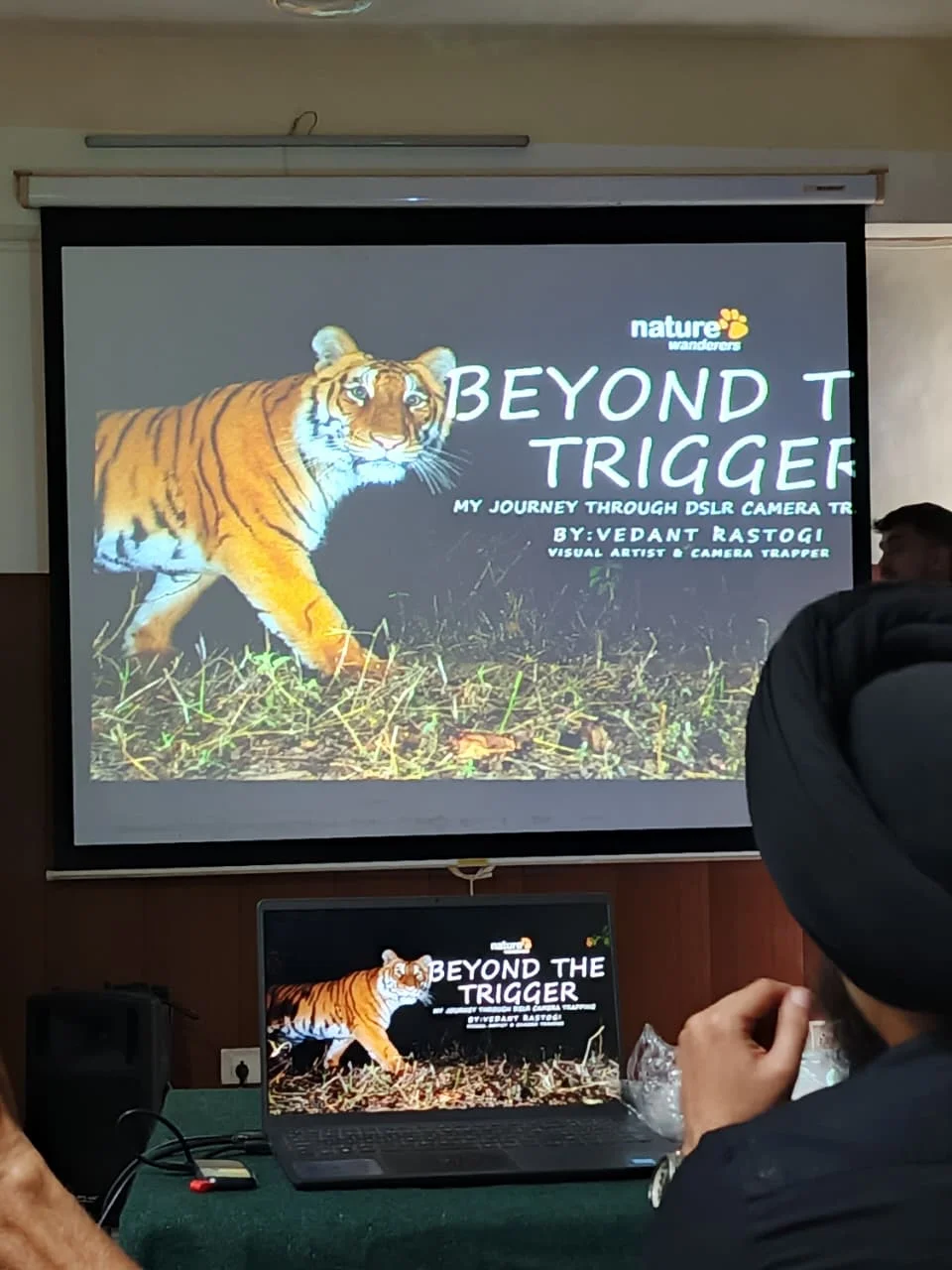
Activity:Guest Lecture on “Beyond the Trigger”
Introduction
The Wildlife Preservation Society (WPS), Dehradun, invited the students and faculty members of the Department of Forestry to participate in an informative guest lecture on “Beyond the Trigger” on 6 September 2026. The lecture was delivered by Mr. Vedant Rastogi, Wildlife Photographer, who is actively engaged in wildlife photography and monitoring across various National Parks of India.The lecture was designed to provide students with practical exposure to the application of photographic techniques and camera-based technologies in wildlife research, monitoring and conservation. Moving beyond photography as an artistic activity, the session highlighted how cameras can serve as important tools for observing, documenting and understanding wildlife in their natural habitats.
Mr. Vedant Rastogi provided valuable insights into the use of camera traps and DSLR cameras for documenting animal presence, movement and behaviour. He explained the basic principles involved in camera trapping and discussed how photographic records can contribute to wildlife monitoring and field-based research.A major emphasis of the lecture was on the importance of proper planning, knowledge of habitat characteristics, technical understanding and patience while working as a wildlife photographer or conducting photographic monitoring in forest areas. The session also highlighted the need for responsible and ethical practices so that photography and monitoring activities do not disturb wildlife or alter their natural behaviour.
The lecture therefore provided students with an opportunity to understand the connection between wildlife photography, technology, field observation, scientific documentation and conservation.
Objectives of the Lecture
The major objectives of the guest lecture were:
- To create awareness among Forestry students and faculty members regarding the role of wildlife photography and modern photographic techniques in wildlife research and conservation.
- To introduce students to camera-trap technology and explain its applications in wildlife monitoring, species identification, population assessment and behavioural studies.
- To provide students with a basic practical understanding of DSLR camera techniques, including camera settings, focusing, exposure, composition and field photography practices.
- To demonstrate how photographic documentation can support the study of animal movement, behaviour, habitat use and species occurrence.
- To familiarize students with the importance of proper planning and habitat knowledge before undertaking wildlife photography or photographic monitoring in forest areas.
- To emphasize the importance of patience, observation and field experience in obtaining meaningful wildlife photographs and records.
- To create awareness about ethical wildlife photography, particularly the need to minimize disturbance to animals and maintain responsible field practices.
- To strengthen the connection between theoretical knowledge acquired in Forestry education and practical applications in wildlife monitoring and conservation.
Proceedings of the Lecture
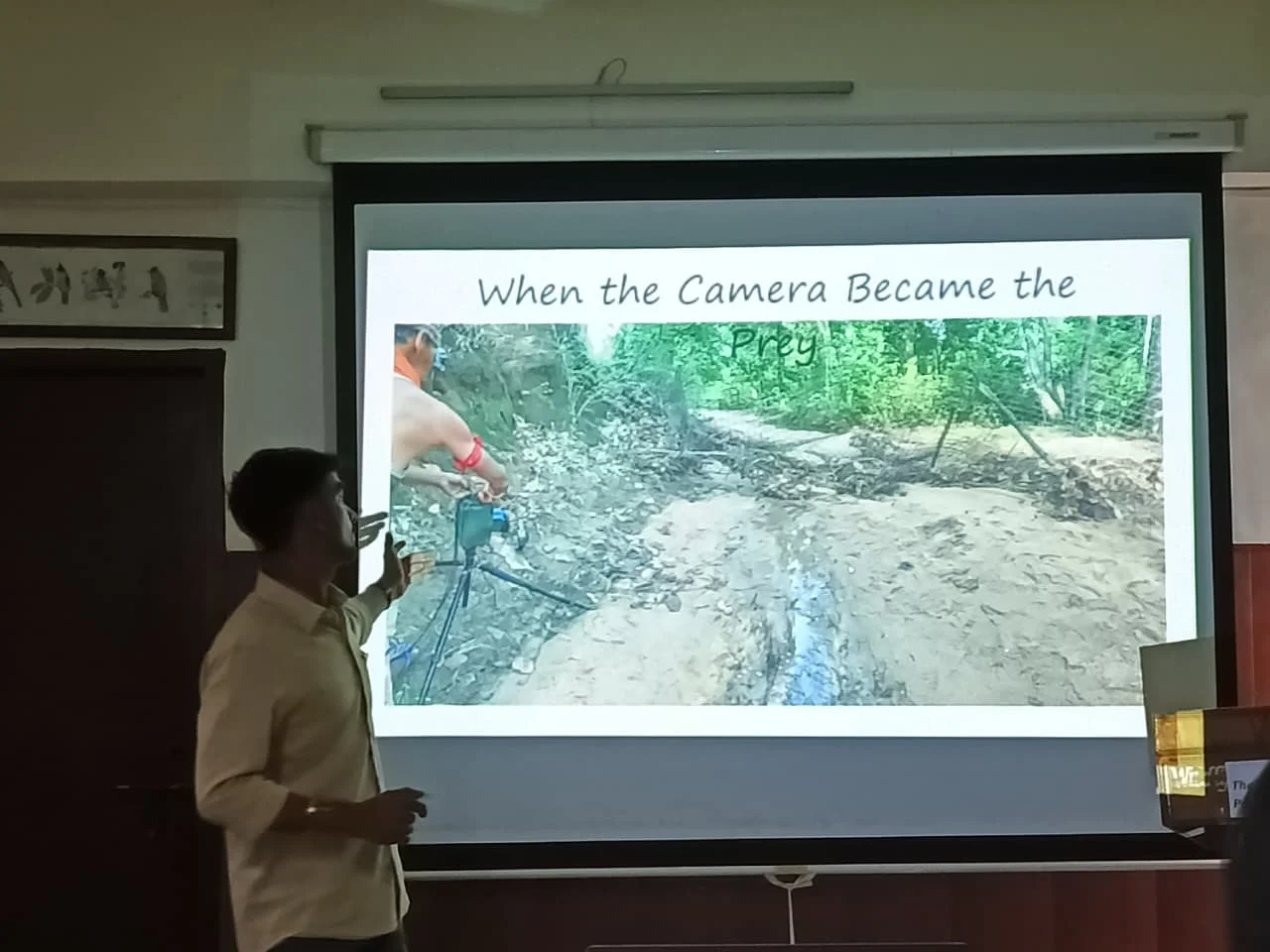
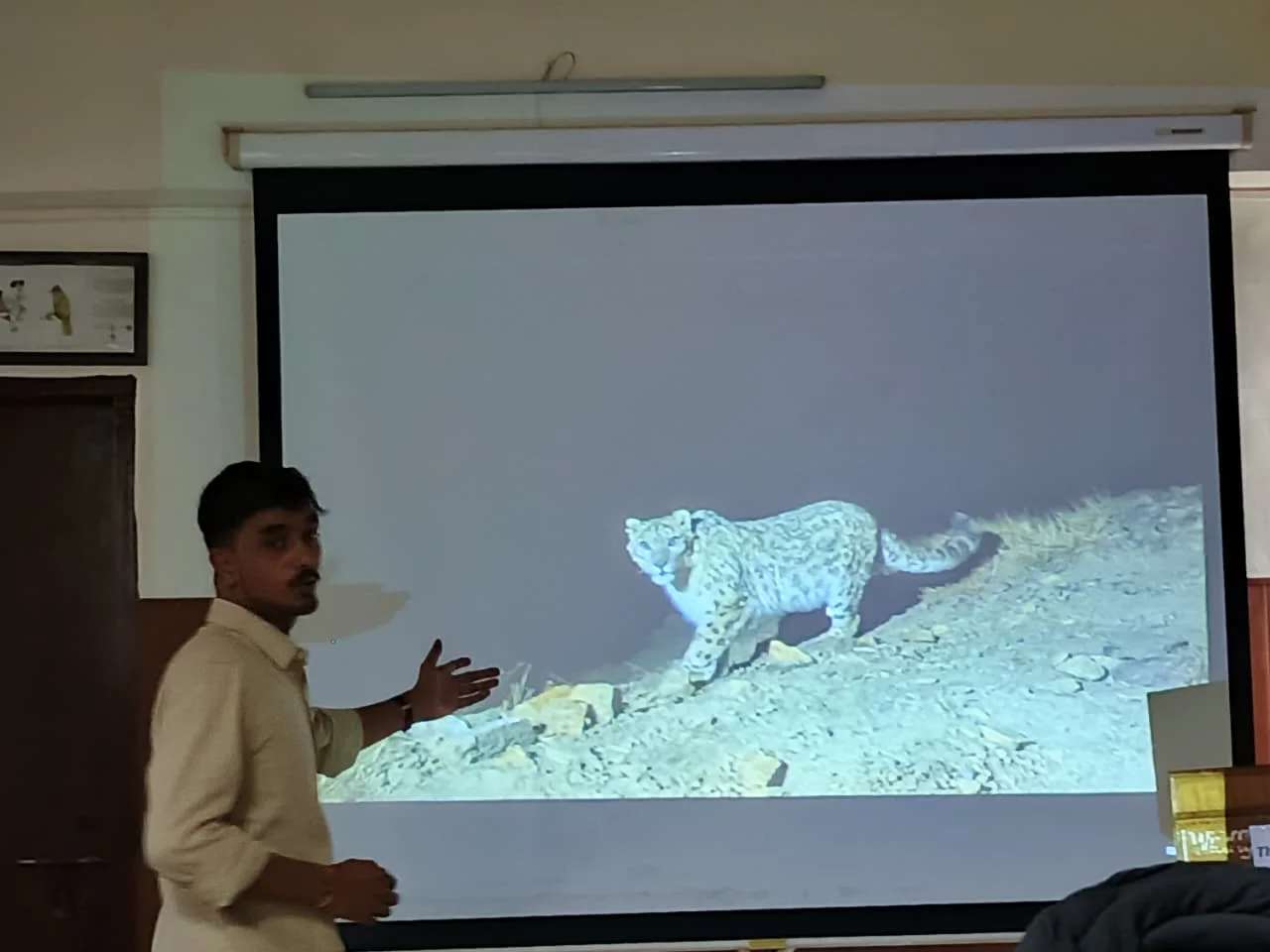
The guest lecture began with an introduction to the theme “Beyond the Trigger”, highlighting the wider scientific and conservation significance of wildlife photography. Mr. Vedant Rastogi shared his field experiences from wildlife photography and monitoring activities undertaken in different National Parks of India.The presentation provided students with an overview of the role of cameras in wildlife observation and documentation. Particular attention was given to camera trapping, a technique that enables wildlife observations to be recorded in forest habitats without requiring continuous human presence.
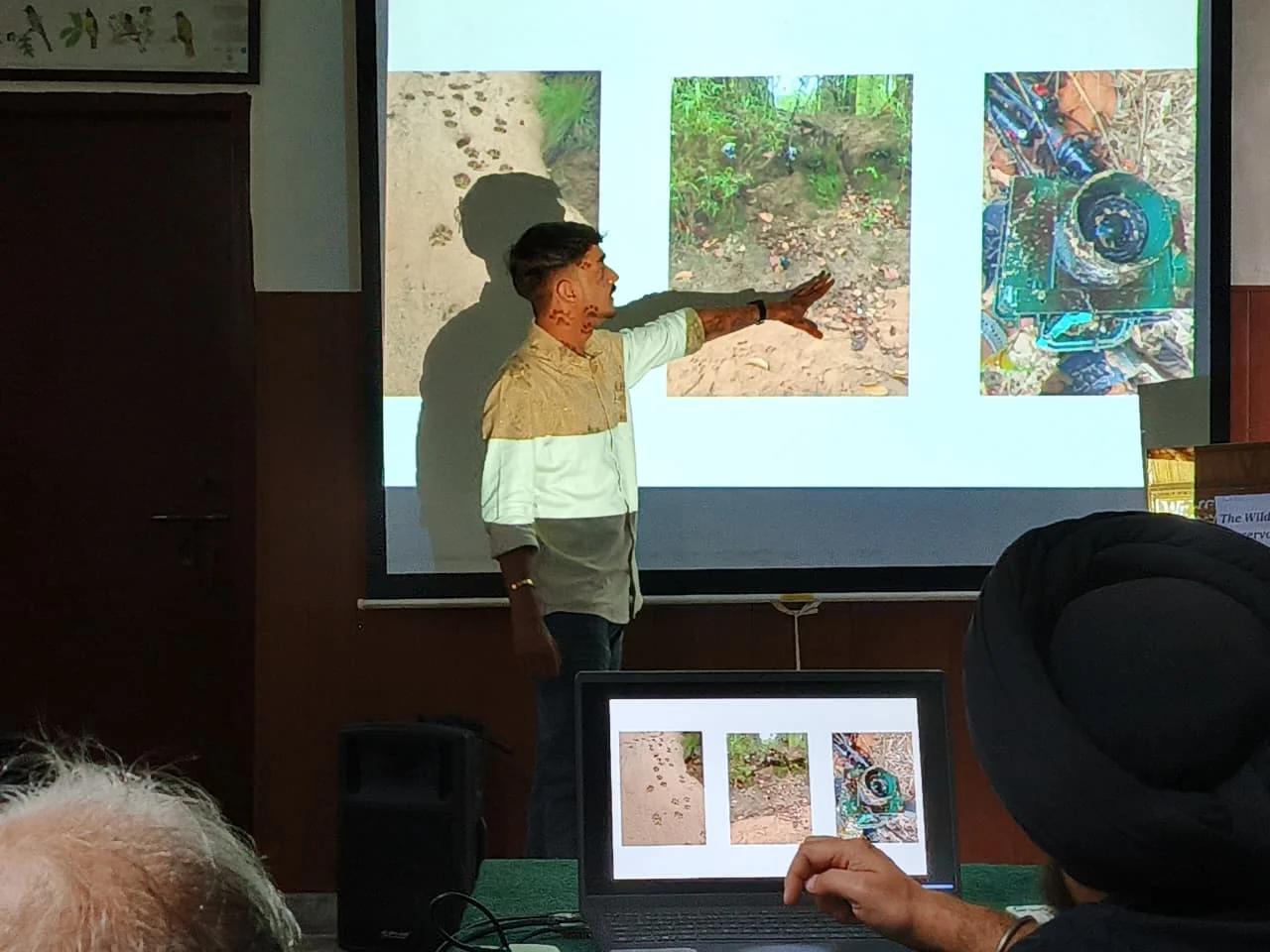
The speaker explained the basic functioning and applications of camera traps and discussed their usefulness in recording animal movement and behaviour. The students were introduced to the importance of selecting appropriate locations and understanding habitat characteristics while planning photographic monitoring.The lecture also covered the use of DSLR cameras for wildlife photography. Students were introduced to the importance of understanding camera settings, focusing, exposure and composition. The speaker emphasized that good wildlife photography is not solely dependent on sophisticated equipment but also requires adequate knowledge, careful observation, field preparedness and patience.
An important aspect of the session was the discussion on the behaviour of wildlife and the need to understand animal movement before attempting to photograph or monitor them. The speaker explained that knowledge of habitat and animal behaviour helps photographers and researchers plan their field activities more effectively.The presentation was therefore not limited to technical aspects of photography but also provided students with a broader understanding of the relationship between technology, field observation and wildlife conservation.
Student Participation
Students of the Department of Forestry actively participated in the guest lecture and showed considerable interest in the topics discussed. The practical orientation of the presentation enabled students to relate their academic understanding of wildlife and forest ecosystems to actual field-based applications.
Students interacted with Mr. Vedant Rastogi during and after the presentation and sought clarification regarding camera traps, DSLR photography, wildlife movement and field monitoring practices. The interaction provided students with an opportunity to learn directly from an individual with practical experience in wildlife photography and monitoring.The students gained a basic understanding of how camera-trap technology can be used to document animal movement, presence and behaviour. They also developed an appreciation of the importance of field skills, habitat knowledge and patience when undertaking wildlife-related activities.
The interactive discussion further encouraged students to explore the potential of wildlife photography and photographic monitoring as complementary tools for wildlife research, conservation and field documentation.
Key Learning Areas
The lecture provided students with learning opportunities in several important areas:
Camera-Trap Technology
Students were introduced to the basic concept and applications of camera traps in wildlife monitoring. They learned how camera-based monitoring can assist in documenting animal movement and behaviour and can provide useful photographic records from forest habitats.
DSLR Wildlife Photography
The session provided an introduction to DSLR camera techniques relevant to wildlife photography. Students gained awareness of the importance of appropriate camera settings, focusing, exposure and composition for obtaining useful photographic records in field conditions.
Understanding Wildlife Behaviour
The lecture emphasized the importance of understanding animal movement and behaviour before undertaking wildlife photography or monitoring. Such knowledge helps in planning field activities and increases the possibility of obtaining meaningful observations.
Habitat Knowledge
Mr. Vedant Rastogi highlighted that knowledge of the habitat is an essential component of wildlife photography and monitoring. Understanding the characteristics of a forest area and the likely movement patterns of wildlife helps in planning photographic activities effectively.
Patience and Field Preparedness
The session emphasized that wildlife photography requires considerable patience and careful observation. Students learned that successful field photography cannot always be achieved immediately and often depends on appropriate planning, preparedness and waiting for suitable opportunities.
Ethical Wildlife Photography
The lecture also highlighted the importance of responsible field practices. Students were made aware that wildlife photography should be undertaken in a manner that minimizes disturbance to animals and respects their natural behaviour and habitat.
Outcome of the Activity
The guest lecture enhanced students’ awareness of the importance of wildlife photography and photographic documentation in biodiversity conservation. Students developed a better understanding of how modern photographic technologies can complement field-based wildlife research and monitoring.The session introduced students to the basic functioning, deployment and applications of camera-trap technology, particularly in relation to monitoring animal movement and behaviour. Students also gained introductory knowledge of DSLR photography and the technical and field considerations involved in wildlife photography.The practical experiences shared by the resource person helped students appreciate the importance of planning, habitat understanding, technical skills, observation and patience in wildlife-related field activities.The interactive discussion further strengthened students’ understanding of ethical wildlife photography and responsible field practices, particularly the need to minimize disturbance to wild animals.
Overall, the lecture helped strengthen the connection between classroom-based theoretical learning and practical field applications. It also encouraged students to develop greater interest in wildlife photography, monitoring, research and conservation.
Conclusion
The guest lecture on “Beyond the Trigger”, organized by the Wildlife Preservation Society (WPS), Dehradun, provided an informative, interactive and practical learning experience for the students and faculty members of the Department of Forestry.The session offered valuable insights into the use of camera traps and DSLR cameras for wildlife monitoring, photographic documentation and understanding animal movement and behaviour. The field experiences shared by Mr. Vedant Rastogi demonstrated that effective wildlife photography and monitoring require much more than photographic equipment; they depend on proper planning, habitat knowledge, technical skills, patience, careful observation and responsible field practices.The lecture also highlighted the growing importance of photographic technologies as supportive tools in wildlife research and conservation. By connecting technological knowledge with field-based experiences, the programme provided students with a broader perspective on the practical applications of their Forestry education.The interactive nature of the session encouraged students to ask questions, share their interests and understand the challenges associated with wildlife photography and monitoring. The emphasis on ethical practices further reinforced the principle that wildlife documentation should always be carried out with respect for animals and their natural habitats.
Overall, the programme successfully bridged the gap between theoretical learning and practical field applications, while inspiring students to explore opportunities in wildlife photography, biodiversity documentation, wildlife monitoring, research and conservation.
 Apply Now
 Fee Payment
 Admission
 Enquiry
 Quick Links